MoFEA, IFAD Validate Gambia’s Progress on 2019–2026 COSOP Framework
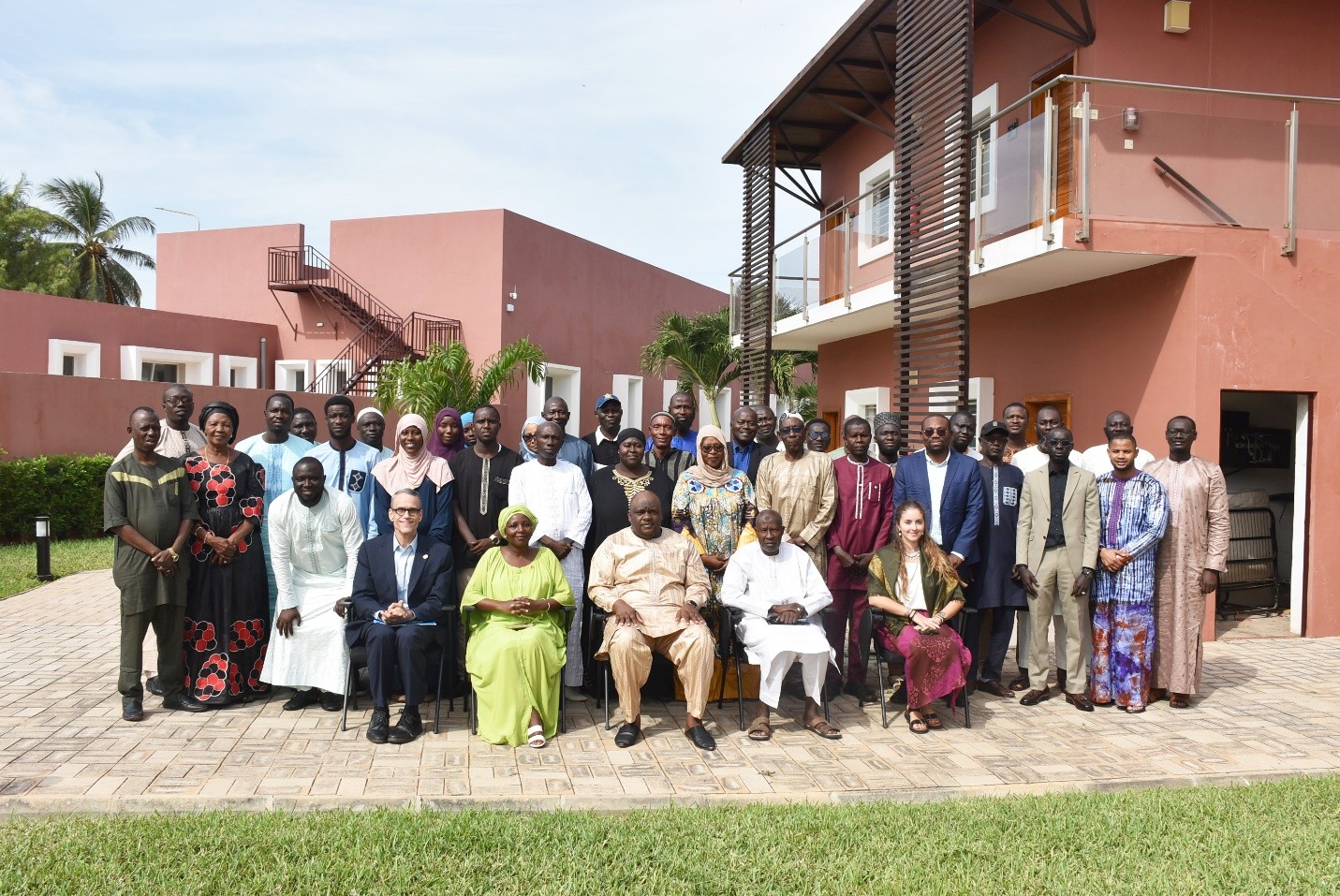
The Ministry of Finance and Economic Affairs (MoFEA), in partnership with the International Fund for Agricultural Development (IFAD), convened a high-level Validation Workshop on Friday, 21 November 2025, to review the 2019–2026 Country Strategic Opportunities Programme (COSOP), the framework guiding IFAD-supported investments across The Gambia’s agriculture and development sectors. The event, held at the African Princess Beach Hotel, brought together government officials, development partners and project teams to review progress, validate findings and reaffirm commitments to national priorities.
The workshop opened with welcoming remarks from Ms Mariama Saine, Director of Aid Coordination for Projects and Programmes at the Ministry of Finance. The agenda included a summary presentation of the COSOP Annual Results Review, a presentation of achievements under the ROOTS Project, an interactive question-and-answer session and a plenary discussion for the validation of the report.
Delivering a statement on behalf of the Honourable Minister of Finance, Permanent Secretary Mr Baboucarr Jobe highlighted the depth of the partnership between The Gambia and IFAD.
He stated: “Since the inception of our collaboration in 1977, IFAD has financed eleven (11) projects in The Gambia, with a cumulative investment of US$144.37 million, and has successfully mobilized an additional US$142.84 million in co-financing from 1982—2025. These investments have been instrumental in enhancing agricultural productivity, strengthening rural livelihoods, and building resilience among our most vulnerable populations, particularly smallholder farmers, women, and youth. Thanks to the current COSOP framework (2019-2026), the government benefited from an investment to implement a six-year Resilience of Organizations for Transformative Smallholder Agriculture Project (ROOTS).”
PS Jobe also emphasised that MoFEA continues to ensure that resources are efficiently managed and aligned with national development goals, supporting programmes that increase food production, provide farmers with tools and training, improve resilience against climate shocks and boost household incomes.
The Permanent Secretary at the Ministry of Agriculture, Ambassador Alhagie Nyanghado, reflected on the sector’s progress and its wider impact, saying: “If Agriculture, does well. It affects all of us. This is one of the good years in terms of rice cultivation.” He explained that new systems for supporting farmers have begun delivering clear improvements during recent monitoring visits.
IFAD Country Director Ann Turinayo stressed the importance of the validation process and the strength of the partnership. She noted that IFAD’s collaboration with The Gambia spans more than four decades and expressed optimism for continued progress. She highlighted the challenges faced by farmers, including COVID-19, the war in Ukraine, rising food prices and the effects of climate change, while commending the determination of communities and partners that have kept projects on course.
The United Nations Resident Coordinator reaffirmed the global relevance of the work under review, stating: “The work we are reviewing today aligns directly with the Sustainable Development Goals, particularly SDG 1 on poverty reduction, SDG 2 on zero hunger, SDG 5 on gender equality, and SDG 13 on climate action. It also strongly supports our cooperation which is aligned with the Government’s Green Recovery-focused National Development Plan for 2023–2027, which prioritizes sustainable agriculture, climate resilience, and inclusive economic growth. This alignment ensures that our investments are not working in isolation but are contributing to the country’s broader development vision and commitments.”
During the workshop, participants reviewed findings under the ROOTS Project, a flagship intervention designed to improve food production, strengthen livelihoods, and expand economic opportunities for women and young people. The validation process ensures that the annual review reflects stakeholder perspectives and that IFAD-supported programmes continue to deliver measurable impact nationwide.
In closing, MoFEA underscored its commitment to transparent and efficient oversight of development financing, stressing that every dalasi invested must contribute to building a more resilient, food-secure and inclusive Gambia.